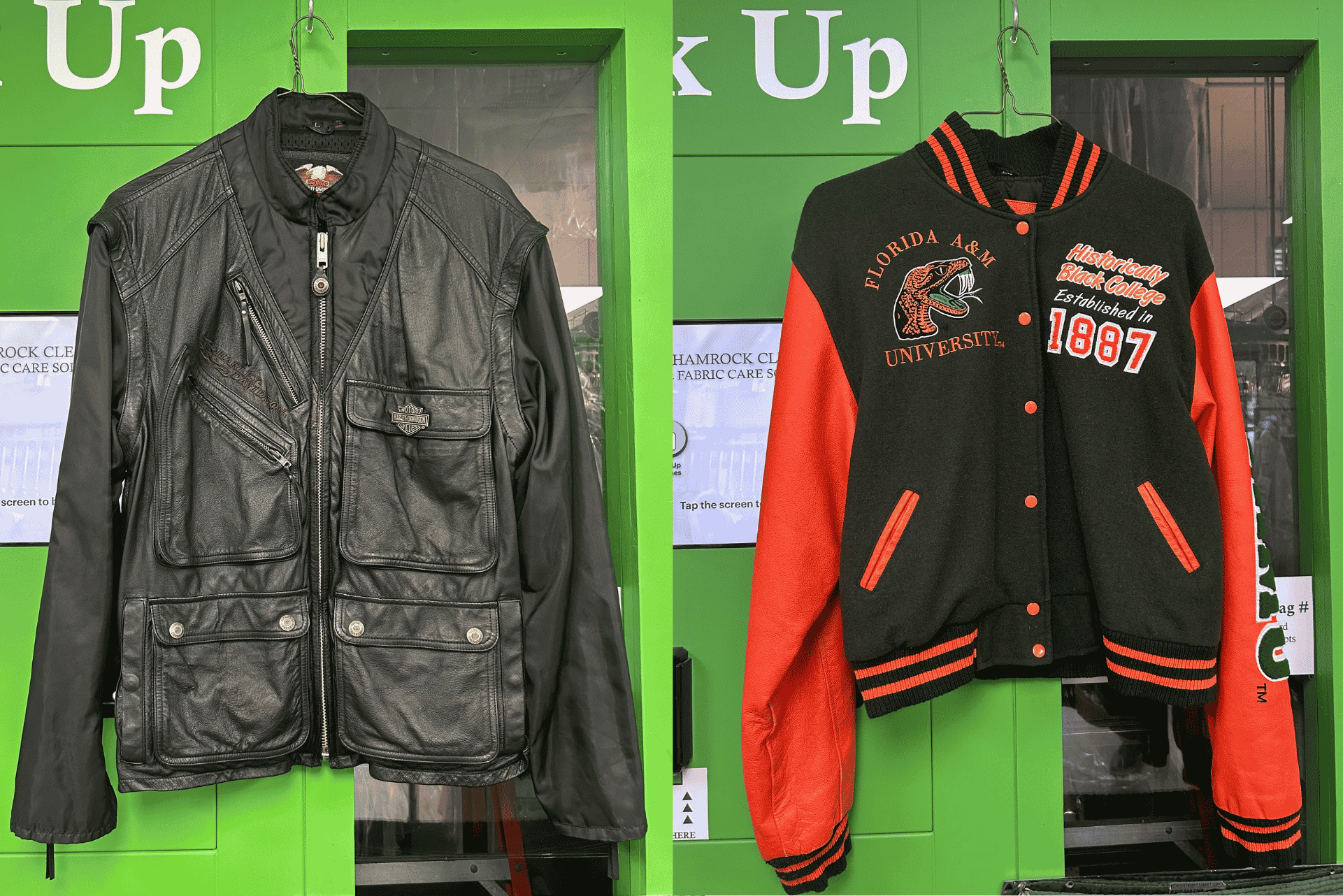
If you've ever opened up a closet in August and caught that unmistakable musty smell, you're not alone. It could set off alarm bells that a leak has sprung behind the wall somewhere. And while that's not impossible, it's usually something far less dramatic.
Florida's summer humidity is often enough to start the same process that leads to mold-damaged textiles after a storm or flood. Except in this case, it happens slowly, over weeks instead of all at once. Here's how it happens, and what you can do to combat it.
How Humidity Alone Causes Mold on Fabric in Closets
Mold spores are everywhere in the air already, and they are opportunistic little things. They mainly remain dormant during the cooler, drier months. Most spores begin to proliferate when relative humidity climbs into the 60-70% range. This is high for most homes, but Florida summers are exceptionally humid, and if a closet isn't near an AC vent, moisture can build up easily.
Closets are small, enclosed spaces that easily trap moisture. They're also full of organic materials like cotton and leather. Mold uses that organic material as a food source. Fabric fibers also hold moisture longer than hard surfaces, giving mold spores ample time to colonize. Ground-floor closets where humidity naturally settles, and in particular, basements, are most susceptible. Bathroom closets are another spot where humidity tends to gather.
Signs of Mold in Clothes and Linens
There are a handful of telltale signs that you can look for if you suspect mold growth in your closet:
Musty smell: A musty, earthy, basement odor is typically the first sign of mold growth in the closet. It tends to linger even after you remove the item from the closet and can persist through a normal wash cycle.
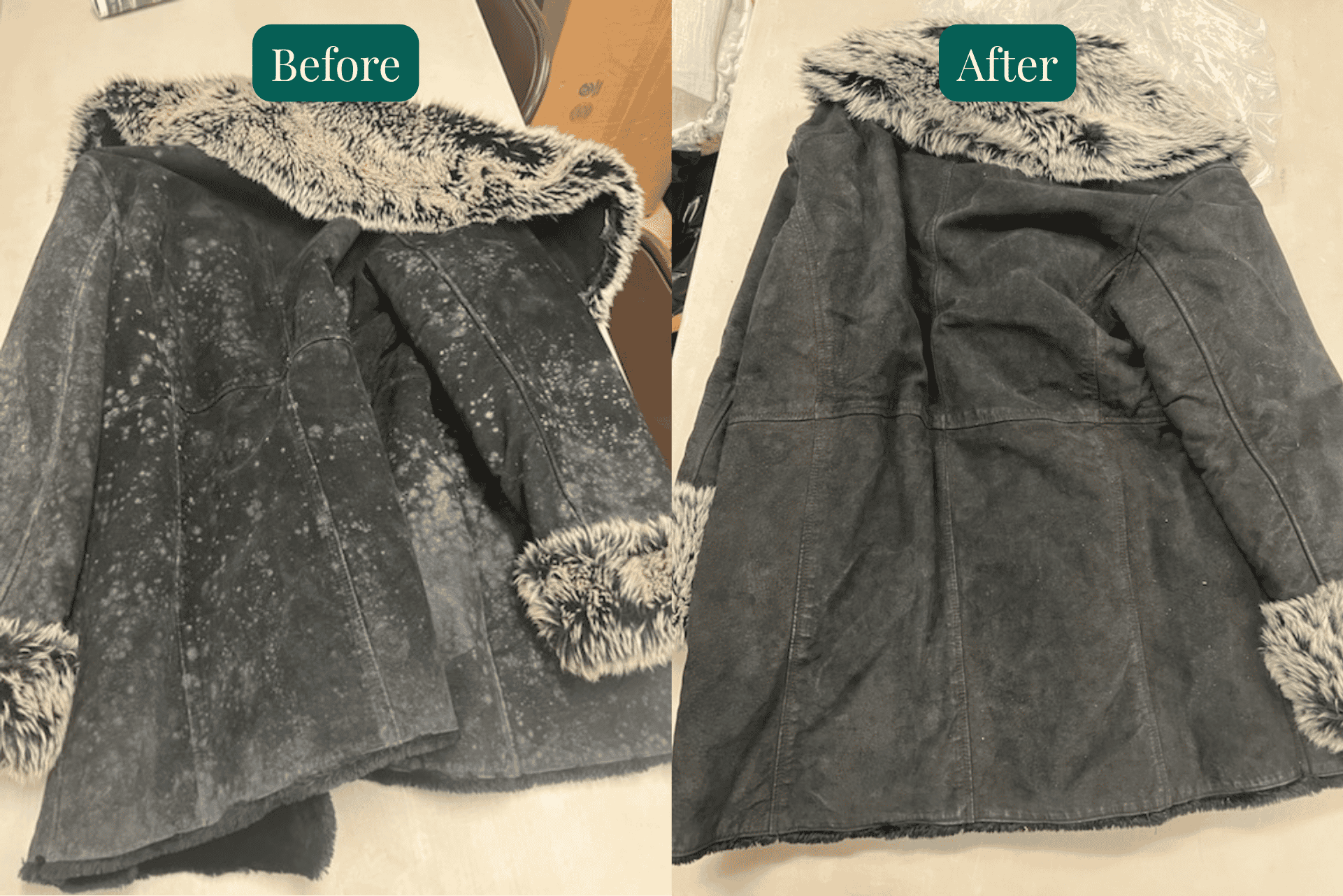
Visible spots and stains: Mold starts off as small spots and speckles in black, grey, green, white, and even pink or orange, depending on the species. Some species leave marks that look like water stains. Check areas like collars, armpits, seams, and shoe interiors for the first signs.
Texture changes: Mold has a feel; actually, it can have a few different textures. Textiles might feel damp, slimy, or stiff, even fuzzy with a whitish powdery bloom.
Why Closet Mold Often Goes Unnoticed
When mold grows on the surfaces we see every day, we're likely to notice it quickly. We notice mold on bathroom grout as soon as it pops up, and we usually notice it right away when food starts to grow mold. Closets, on the other hand, are out of sight and usually out of mind, except when it's time to get dressed.
Items that don't see as much use- formal wear, coats, and seasonal items are often shoved to the back of the closet. The door remains closed most of the time, so that musty smell is less pervasive in the rest of the home. Mold usually starts out small and hidden. It's a gradual issue that often builds up over weeks or months before you notice it.
A closet is also its own microclimate, which allows mold to proliferate faster than it would in a larger space. Without ventilation to disrupt it, it can travel much farther than you might expect.
How to Prevent Mold in Your Closet
Here are some practical and simple steps you can take to minimize the risk of mold growth in your closets:
Control humidity: Keep indoor humidity levels at 50% or lower, especially in the summer. A small humidifier or moisture-absorbing product works well in small spaces. A well-functioning HVAC system is your best defense against mold growth in the home.
Improve airflow: If it doesn’t bother you, leave your closet doors open just a bit for ventilation. Louvered or slatted doors are also a great way to maintain airflow in these spaces. Don’t pack your closets too tightly; leave a little space between items so air can circulate.
Only store dry items: Make sure your clothes are completely dry before storing them. Let clothes cool after the dryer, as warm clothes can still hold moisture. Allowing them to cool lets any leftover moisture evaporate before storage.
Maintain and address environmental issues: Fix any nearby plumbing leaks, insulate closets on exterior walls to prevent condensation, and clean closet surfaces periodically to remove existing spores.
When to Call a Renewal of Northwest Florida
If you notice a musty smell coming from a closet or storage area, see any visible spotting, or experience unexplained allergy symptoms, it's worth having a professional assess those textiles. Not every item exposed to humidity is a lost cause, but the sooner you catch it, the more likely it is to be fully restored.
If you suspect mold in your closet or storage area, contact Renewal's restoration team for an assessment. We'll take a close look and let you know what can be saved, and it's often more than people expect!