Water is a wonderful element, no doubt about that. But it can also be an incredibly powerful and damaging force. When flood damage affects your home or property, it's easy to feel hopeless about preserving belongings. Many people assume that everything, including textiles, needs to be thrown away and replaced.
Before you start tossing those items, you should know that professional textile restoration can save a significant portion of flood-damaged textiles. When it comes to restoring flood-damaged textiles, it helps to know what professionals can handle and which items you'll need to replace.
Understanding Flood Damage in Textiles
Flood damage is different from everyday dirt or spills. When textiles like clothing, bedding, upholstery, and rugs are exposed to floodwater, it's not just a matter of getting wet. Often, flood damage involves exposure to contaminants you don't want left in the home.
Water can weaken certain materials structurally and increase the risk of mold growth in others. There are three different types of floodwater. These determine the severity of the damage and what you can do about it:
- Clean Water Flooding - When flood water comes from broken pipes or rainwater, it’s the least contaminated. However, as time passes, the potential for mold increases. In this case, restoration is highly possible for most items.
- Gray Water Flooding - Gray water is the water that comes from your washing machine, dishwasher, and sink after you use them. It can contain detergents, food particles, or bacteria. There is an increased risk of staining with gray water, but prompt restoration is often possible.
- Black Water Flooding - This is the most dangerous type and includes sewage backup, storm surge, and water from rivers and oceans. Because textiles affected by black water may be heavily compromised, restoration is not always possible and can be dangerous.
Common Items That Can Often Be Restored After Flood Damage
Many common household textiles can be restored after flood damage. It's important to note that time is of the essence. The type of water also matters, as we discussed earlier. Items like clothes, bedding, drapes, and some upholstery are usually salvageable through professional textile restoration. Area rugs are usually resilient, as well.
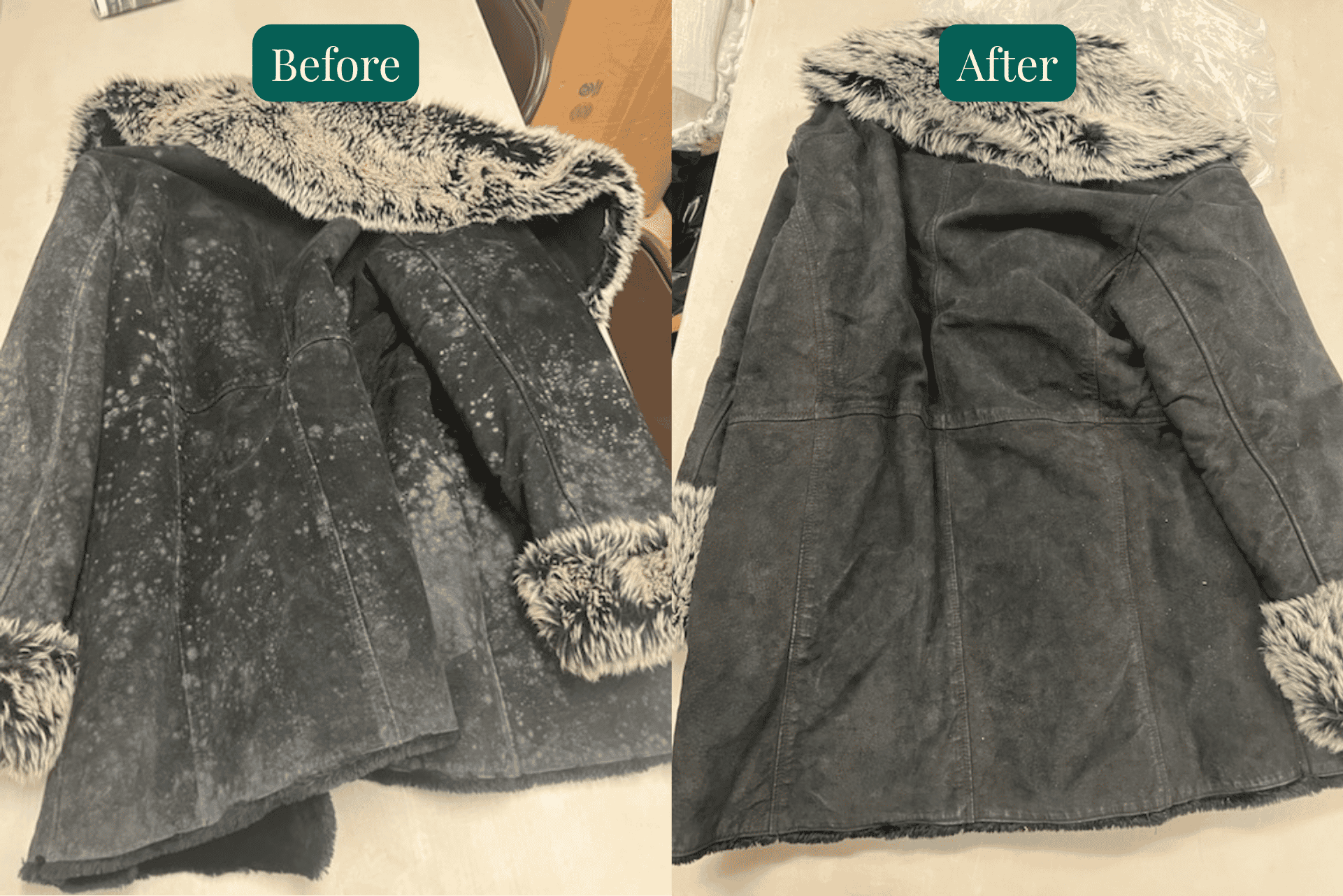
Even items that appear stained or have odors are not hopeless. Professional cleaning can help with deep-set contaminants that household cleaning often cannot. The fabric composition, type of water, and length of time it remains wet are all influencing factors.
When Items Should Be Replaced After a Flood
Some flood-damaged textiles cannot be safely or effectively restored. When contamination levels are high, they can be unsafe to keep. They may contain harmful bacteria and pathogens that penetrate deeply into fabrics. In the case of black water flooding, replacement is often necessary.
Timing is the other main factor in deciding between repair and replacement. When textiles remain saturated for a long time, it allows mold to grow and causes fibers to break down. This type of damage is irreversible, and stains and odors are likely to remain. Delicate fabrics break down quickly and are more susceptible to permanent damage. In these situations, it's safer and more practical to replace the item.
Why Time Is the Most Critical Factor After Disaster
When it comes to flood damage and textile restoration, the type of water is a major factor. However, nothing matters quite as much as timing. Time is the single most important factor in determining whether a professional can restore your items. The longer fabrics remain wet, the more contaminants, mold, and bacteria can grow in the fibers.
Within 24-48 hours, mold can begin to form. Odors become increasingly difficult to remove as they bind to fabric at a deeper level. The faster your textiles are removed, dried, and professionally treated, the better your chances are of achieving full restoration. Acting quickly improves outcomes and significantly reduces long-term damage, health risks, and overall restoration expenses.
When Flooding Damages Your Textiles, Call Renewal Right Away!
When flood damage affects your home, every second counts. Acting quickly can make the difference between restoring your favorite items and having to replace them entirely. Professional textile restoration specialists can assess your situation and determine what they can treat. They can begin the cleaning process before mold, bacteria, and odors have a chance to take hold. We’re ready to jump in when disaster strikes—call us!