When a hurricane hits, homeowners are often left dealing with extensive property damage. From flooded rooms to moisture-soaked belongings, clean-up can seem like an insurmountable task. While much focus is on structural repairs, textiles are often the most heavily affected items in the home.
Clothing, bedding, rugs, curtains, and cherished family heirlooms can all suffer the effects of floodwater, mold, and contamination. If a hurricane or strong storm affects your home, documentation is a vital step in getting back to normal. Thorough documentation does more than support your insurance claim. It can also help restoration experts determine which items they can salvage. Let’s discuss how you can prepare for Hurricane season and deal with the aftermath in the event that a hurricane strikes.
Photograph Everything Before Cleaning or Disposing of Items
After a disaster, it's perfectly normal to want to begin your clean-up immediately. It's hard to look at your disheveled space and not want to bring it back to some semblance of order as soon as possible. However, before washing, drying, or throwing away any textiles, take the time to document everything.
For insurance and restoration purposes, it's a good idea to take photos of all the damage before you start cleaning. Photograph all areas of your home, taking wide-angle shots to show the extent of the damage. Then, take close-up photos of individual items with visible damage, staining, tears, or contamination.
Videos are a good idea as well. A quick walkthrough video creates additional context for insurance adjusters. It creates a more comprehensive visual record of the damage immediately after the hurricane.
Most importantly, don't throw anything away until you've spoken to your insurance adjuster. They may need to inspect items before approving reimbursement or restoration.
Create a Detailed Inventory
Once you have photo and video documentation, create a comprehensive inventory of affected textiles. This serves as a reference for both your insurance adjuster and restoration professionals.
Record as much information for each item as possible, including:
- Item description
- Brand or manufacturer
- Approximate purchase date
- Original purchase price
- Estimated replacement cost
- Type of damage
- Current condition
- Personal or sentimental value
A simple spreadsheet is a great way to organize your information in a way that you can easily answer questions.
Many homeowners focus on high-value items damaged in a hurricane, but overlook everyday essentials. Replacing multiple sets of those everyday items, like clothes and bedding, adds up quickly. By creating an inventory, you can ensure every item is evaluated during the claims process.
Gather Supporting Documents
As an addition to your inventory, gather any documents that prove the value of each item. Insurance companies often ask for documentation that proves ownership. Having these records close at hand makes the claims process much easier and less stressful.
Useful documents to gather include:
- Original receipts
- Credit card or bank statements
- Online order confirmations
- Warranty information
- Property appraisals for high-value items
Don't panic if you can't find every receipt. Most people don’t save every single one, and records are often damaged in a hurricane. You can still provide proof of ownership through photos showing that the items were in good condition before the hurricane. In fact, it's a great idea to plan ahead and document items in your home ahead of time. That way, when disaster strikes, you're one step ahead.
The more documentation you have, the better. For heirloom items, value isn't always in what they cost. Jot down the item's history, value, and condition prior to the event.
Schedule a Professional Textile Restoration Assessment
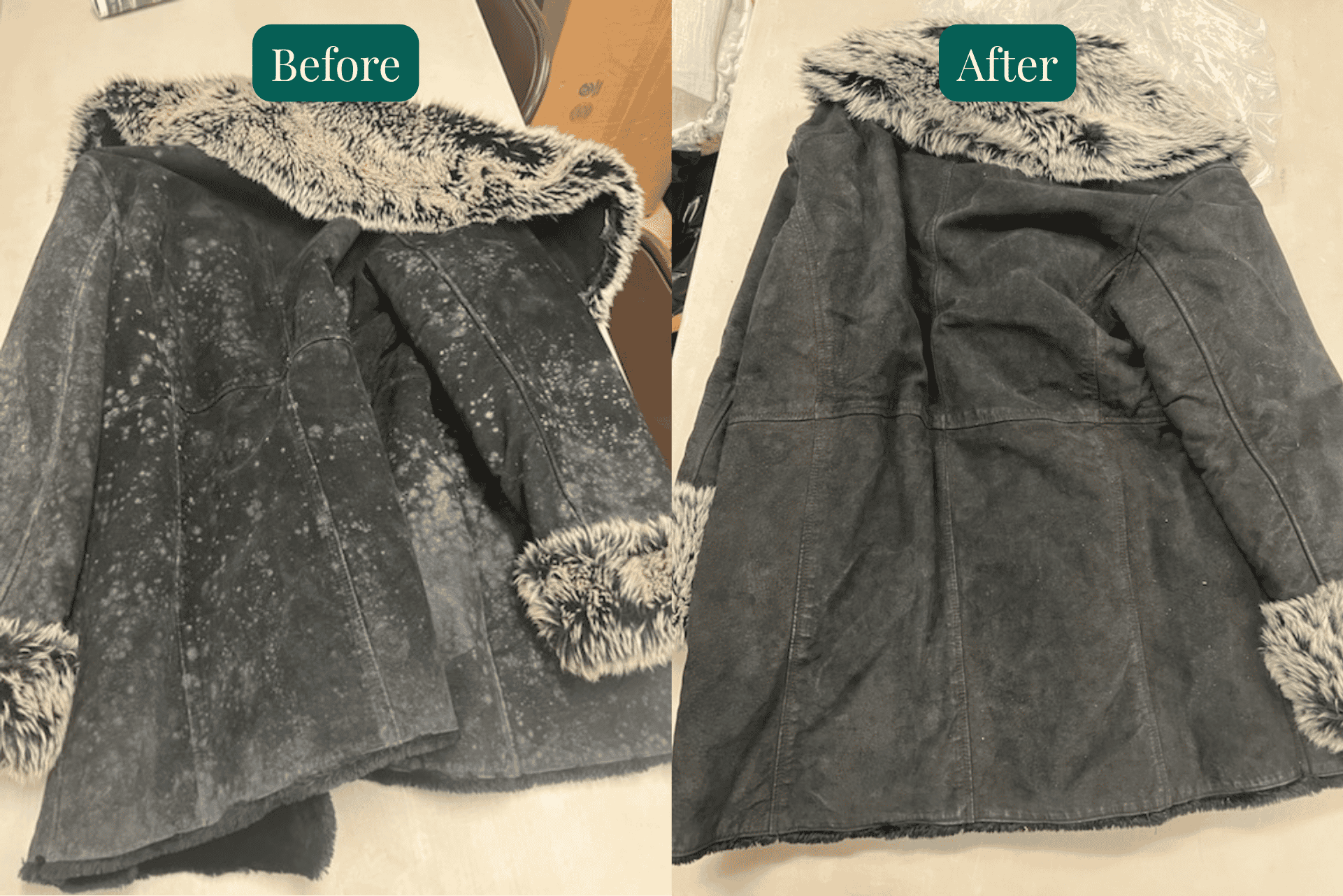
One of the most valuable steps to take after a hurricane is scheduling a professional textile restoration assessment. You may think some items are beyond repair, but trained restoration specialists can often save them.
A professional textile restoration expert will evaluate each item for damage, such as:
- Water exposure
- Contamination level
- Fabric type
- Presence of mold or mildew
An assessment from a restoration expert can also help support your insurance claim. A professional opinion helps the insurance company determine which items can be repaired and which are likely to need replacing. An expert can provide detailed documentation that helps adjusters understand both the extent of the damage and the potential for recovery.
Why Work With a Textile Restoration Professional?
After a hurricane hits, time is critical for textile restoration. Moisture, mold, and contaminants cause damage to worsen when left untreated for extended periods. The sooner a restoration expert can assess and treat items, the better your chance at successful restoration.
Renewal of NW Florida is here for you when disaster strikes. If a hurricane leaves you with damaged textiles, we can help you reduce replacement costs and replace items that hold both financial and sentimental value. Contact us today to schedule a restoration assessment and learn how we can help restore your belongings after storms during hurricane season.